
Screening
Disparities in Colorectal Cancer Screening in Wisconsin
Colorectal cancer is the second most common cancer in Wisconsin. Colorectal cancer screening is important because screening tests can help find cancer at an earlier stage, when it may be easier to treat.
Risk Factors
Disparities in Blood Pressure Control in Wisconsin
Over 30% of Wisconsinites have high blood pressure and only half of those have it under control. Uncontrolled
high blood pressure increases the risk for major cardiovascular disease events, heart disease, stroke, and heart
failure.
Chronic Disease
Disparities in Blood Sugar Control in Diabetes in Wisconsin
More than 1 in 10 people in Wisconsin have diabetes, and that number continues to grow. Diabetes can lead to serious complications such as heart disease, stroke, amputation, kidney disease, blindness, and death. While disparities pre-date the pandemic, they worsened due to a number of factors associated with Covid-19. All racial and ethnic groups had lower rates of diabetes control and testing, but certain racial groups were disproportionately impacted by the pandemic. This report provides data that quantifies the problem and can be used to guide health system and community responses.
Patient Safety
Concurrent Use of Benzodiazepines and Opioids in Wisconsin
Benzodiazepines for conditions such as anxiety or insomnia and opioid medications for pain management may lead to safety risks even when only one medication is used. When used at the same time, there is an increased risk of accidents such as falls, and unintentional overdose deaths due to respiratory depression. The CDC recommends that clinicians should avoid prescribing benzodiazepines and opioids at the same time whenever possible. Improving the way benzodiazepines and opioids are prescribed helps patients to recover better or manage longer-term illnesses in a safe manner while reducing these risks.
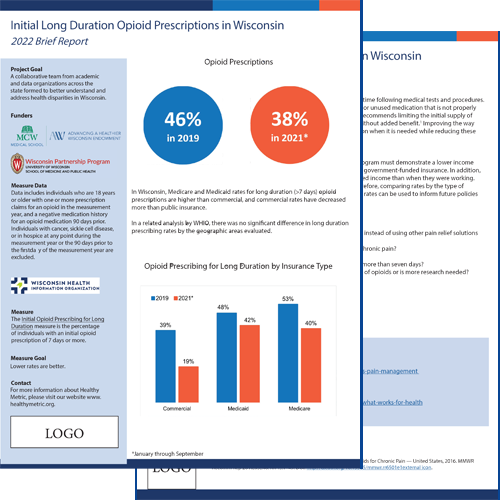
Initial Long Duration Opioid Prescriptions in Wisconsin
Millions of Americans require opioids to manage their pain for a short period of time following medical tests and procedures. However, the use of opioids for a longer period may lead to opioid dependency or unused medication that is not properly disposed of. The guideline for prescribing opioids for people with chronic pain recommends limiting the initial supply of opioids to less than 7 days to decrease the likelihood of physical dependence without added benefit. Improving the way opioids are prescribed helps patients have access to safe, effective pain medication when it is needed while reducing these risks.